
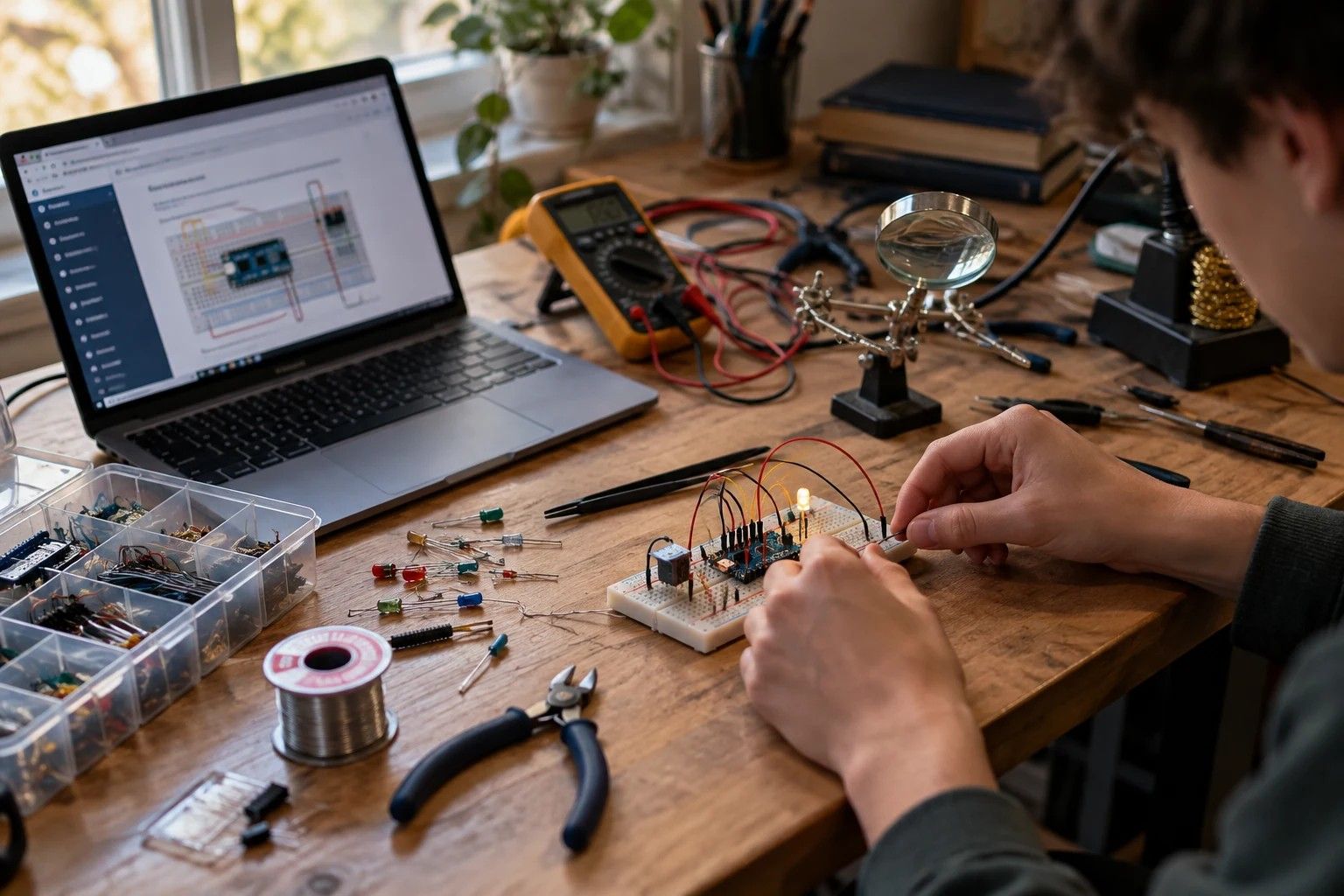
Level 1 · online and hands-on
Build generators, hack radio comms, and master power systems from a workbench at home. Seventeen projects, each one stacking on the last.
Winter Start Dates - 20% Off Until November 20
All the skills. Online, and on-the-job.
In Level 1 you'll start building and testing circuits on your own work bench, laying a foundation of theory and fundamentals.
In Level 2 you get paid to sharpen your skills on real power systems, working as a Student Tech with our Industry Partners.
Tuition Sale Price ends November 20, 2026.
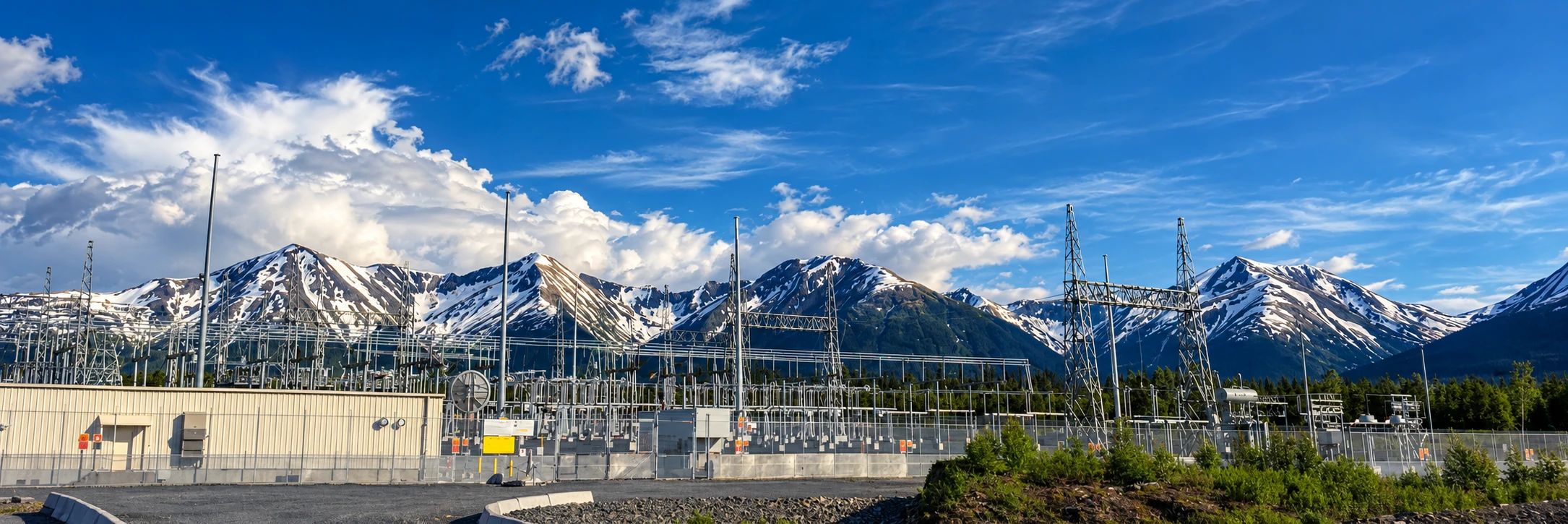
The hybrid advantage
No relocation. No campus. No busy work. Just the skills. Expert mentors. And paid on-the-job training.
Want to get at it!? 50 hours a week full-time and you'll be getting paid in the field within 6-8 months. Need to balance your work-life commitments? Study part time 20 hours a week, for 12 months and then start your paid, on-the-job training.
Build electrical circuits, configure components, test and verify. You get the exact skills the job needs, without the fluff.
You will be guided by experts in the field, with decades of experience.
Level 2 is paid on-the-job training with an Industry Partner. Real learning and real earning.
How it works
Full time or part time. Either way, you can start this winter and be paid as a Student Tech in 6-12 months.
Build generators, hack radio comms, and master power systems from a workbench at home. Seventeen projects, each one stacking on the last.
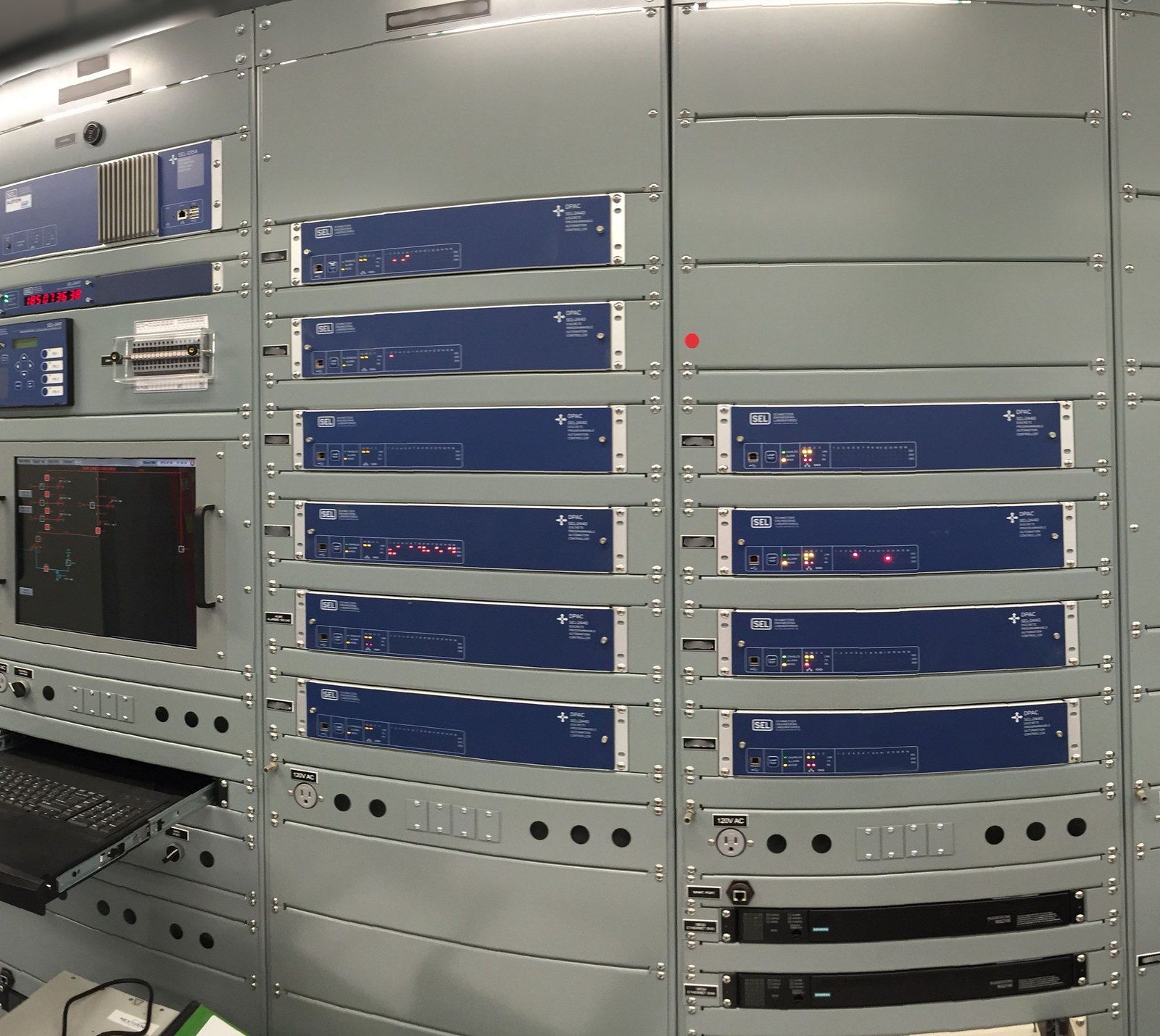
Join an industry partner as a Student Tech. Real substations, real gear, travel covered by the employer.
Who it's for
You don't need a bunch of pre-requisites; you just need to be awesome!
You have a high school diploma or equivalent and you like figuring out how things work. A good handle on Physics and math, but you also love working with your hands. Attitude, work ethic, and a hunger to learn matter more than any past credential.
You're ready for a career change, and looking for a challenge. No utility experience needed. You'll start from the basics and build up.
You're already a technical worker and you've always wanted to level up your education and your career. This was built with you in mind.
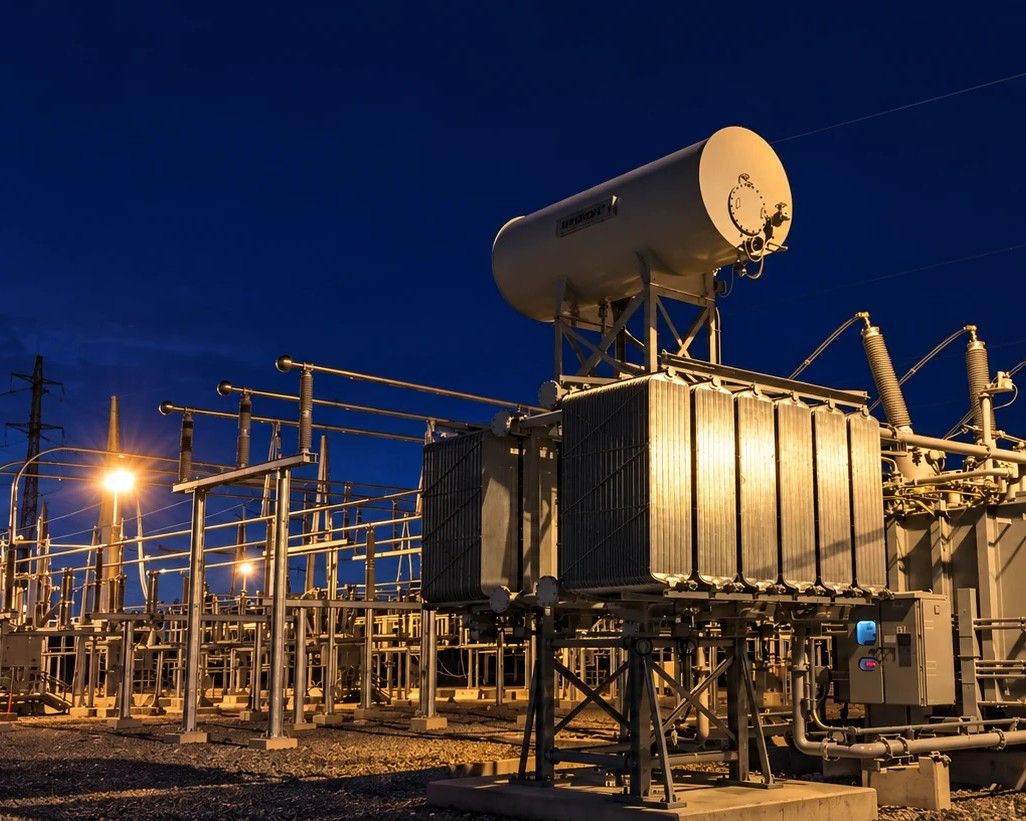
The work
Substation control buildings, generating stations, industrial plants, and communications repeaters on mountain tops. Long hours, exacting standards, and pay that matches.
Grads could start around $70,000 a year. A few years in, you could earn $100,000 to $130,000. In this field, merit matters way more than years, so get out there and make a name for yourself!
All 17 projects and Level 2 skillsCredential
A 2-year Power System Technology diploma that industry partners recognize. Accreditation is underway and should be complete in 2029.
Tuition
Full time: 12.5k CAD or 10k USD 10k CAD or 8k USDPart time: 18.75k CAD or 15k USD 15k CAD or 12k USD
These prices are 20% off.
CAD for Canadian Students, USD for American Students. All major tools, parts and materials are included, students should expect to spend ~$500 on small hand tools. * 20% OFF sale prices end November 20, 2026.
Tuition, requirements, and how to apply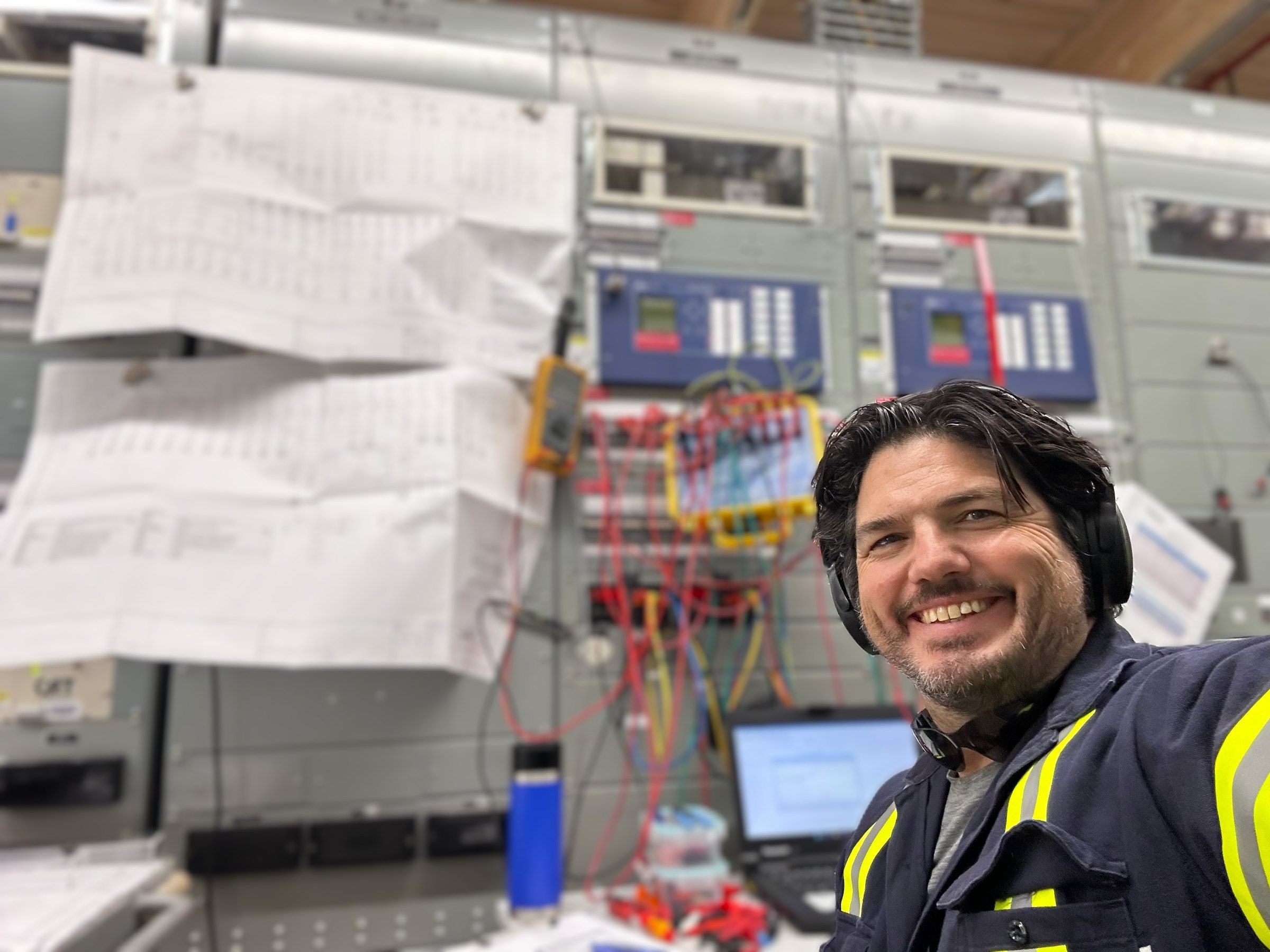
Founder
I started Discovery Tech because I hate bad training. I can't stand wasting time with busy work that checks boxes while students check out. Knowledge and skills can be shared quickly and remotely now, so you don't have to move to the city and pay for a brick-and-mortar campus. Learn from people who actually do the work. Don't waste your time, and don't waste your money.
Jeff Burkinshaw is the founder of Discovery Tech. He has 25 years as a senior protection and control technologist, technical instructor, construction and commissioning manager, and director of field services. He has led the testing, commissioning, and energization of over 500 MW of hydroelectric and wind generation and transmission substations. He has developed training for BC Hydro, built a field-services line for a national engineering firm, and holds a Provincial Instructors Diploma along with BCIT Electrical Power and Computer Control diplomas.
Live Q&A
Join the live Q&A Wednesday, October 28, 2026 at 7:00 PM PDT (America/Los_Angeles). Watch live on YouTube, or register for a reminder.
Project Based
Traditional school often teaches subjects one at a time and tests you on what you can remember. Our project-based modules start with a clear goal—something you’ll actually build or solve—and you learn the different subjects as you need them to finish the work. For many people this feels more natural, more useful, and more motivating.
FAQ

The March 2027 cohort is limited and the 20% OFF Tuition ends November 20, 2026.